
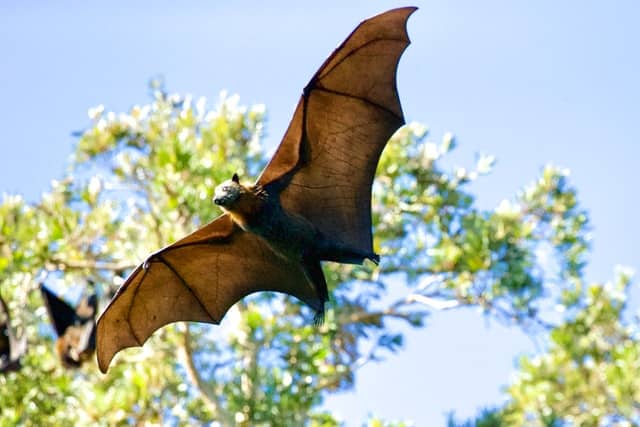
London bat removal experts
Bat removal in London, Ontario, done humanely:
- Inspection of the home for bats
- Bat removal from attics, chimneys, and wall cavities
- Bat-proofing the structure (sealing every secondary entry point)
- One-way exclusion devices at active entry points
- Attic decontamination and clean-up after the colony has left
Bats in London — what’s specific to this area
London’s bat patterns are shaped by its tree-rich, mixed-age housing stock. The city’s older neighbourhoods — Old North, Old South, Wortley Village, Woodfield, and Blackfriars — have a high concentration of late-19th and early-20th-century brick homes with original wood soffit, fascia, and slate or aged-asphalt roofs. After a century of weathering, these structures develop the gable and ridge gaps that little brown bats and big brown bats love.
The other London-specific pattern: the Thames River corridor through downtown, Springbank Park, and out toward Komoka offers prime bat foraging habitat. We see colonies in homes adjacent to the river and its parkland more often than in newer subdivisions farther from water.
From Hyde Park and Byron through downtown and out to Lambeth, plus the surrounding Middlesex County communities — Strathroy, St. Thomas, Komoka, Ilderton, Mt. Brydges — we serve the full area.
Why choose The Critter Guy for bat removal in London?
We focus on getting the job done without overcomplicating it: fair pricing, honest work, and workmanship we stand behind.
- Family-owned — Dave and Roman on every job
- 18+ years of bat removal experience across Ontario
- Seasonal timing matters
Contact us for a bat quote in London or call 519-783-1575.
Our London bat removal approach
Here’s how the process works:
- Inspect. We walk the property — including the roof if accessible — and identify the active entry plus every secondary access point.
- Time the work. Bat work follows seasonal timing. We book the inspection now and schedule the actual exclusion for the right season so the whole colony exits together.
- One-way exclusion devices. Installed over the active entries. Bats can leave but cannot return. No bait, no traps, no contact.
- Seal and clean. Once the colony is out, we seal every entry with weather- and chew-resistant materials and clean up the roost area.
How exclusion devices actually work
Exclusion devices (one-way valves) are the standard humane removal method. Bats fly out at dusk to feed and can’t get back in. After 5–10 nights with no return activity, we confirm the roost is empty and remove the device. Seasonal timing matters — the work has to be done at the right time of year so pups aren’t separated from the colony.
What happens after bat removal
After the colony has left:
- Guano clean-up. Older guano can harbour Histoplasma capsulatum spores. We use proper PPE, vacuum the area, and bag waste for disposal.
- Sanitation. The roost area is treated with an enzyme-based cleaner.
- Insulation assessment. Heavy contamination sometimes means insulation removal and replacement; quoted separately.
Customer reviews — London and area
“Very knowledgeable. I asked 100 questions about wildlife control and was pleasantly surprised at how much he knew. No complaints. Great animal proofing, and removed some dead animals.” — Joshua Clark
“We used Dave for bat removal in the past, and he was able to set up some exclusions and fix the problems. This time we had a raccoon mom and babies. Dave was back and quick as ever — got the problem fixed by trapping the raccoons humanely and proofing the house. Very happy with the results!” — Lisa Watson
FAQs about bat removal in London
What does bat removal in London cost?
Every London property is different, so every quote is different. The size of the colony, access (single-storey ranch vs. three-storey Victorian), and whether attic clean-up or insulation work is part of the job all factor in. The on-site inspection is no charge, and we walk you through the quote before any work starts.
Are you licensed and insured?
Yes. We hold the Wildlife Damage and Nuisance Control authorization from the Province of Ontario, and carry commercial general liability insurance.
When can you do bat work in London?
We can inspect any time. Colony exclusion follows seasonal timing — we schedule the work for the right season so the whole colony exits together.
How does bat removal actually work?
One-way exclusion devices installed over the active entry. Bats fly out to feed at dusk and can’t get back in. We never bait-trap bats — they’re insectivores, and bait doesn’t work. After exclusion we seal every entry and clean the roost area.
Will the bats just find a new way in?
Not if every secondary entry point is sealed before exclusion. Bats have to find an alternate roost — usually another building or a tree cavity. We seal every secondary entry point during the job and we stand behind the work — if something we sealed isn’t right, we come back.
Are bats dangerous?
They’re ecologically valuable and mostly harmless. The real concerns are guano in the attic (histoplasmosis spores) and the small percentage that test positive for rabies. Never handle a bat with bare hands.
Types of bats found around London
Most common: the little brown bat (Myotis lucifugus) and the big brown bat (Eptesicus fuscus). The wooded areas around the Thames Valley and the Sifton Bog also host hoary and silver-haired bats that occasionally end up in homes.
Several Ontario bat species are designated at-risk due to white-nose syndrome — another reason exclusion (rather than killing) is the right approach.
Bat health concerns
- Parasites, ticks, and mites. Bats commonly carry parasites that can invade structures where they roost.
- Histoplasmosis: a respiratory infection caused by spores in bat guano.
- Rabies: a small percentage of tested bats are positive. More about bats and rabies →
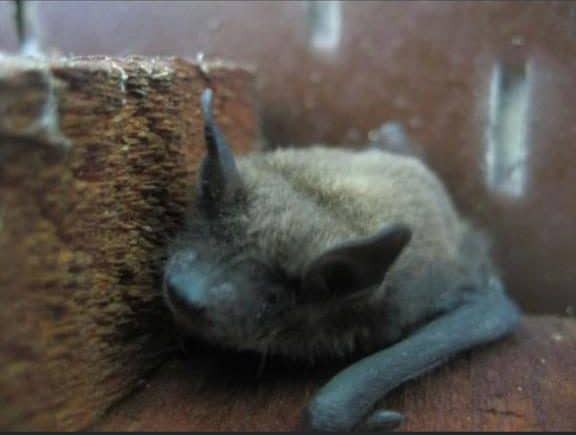
Signs you have bats in your London home
Bat droppings (guano)
Found along eavestroughs, near roof entry points, on decks and porches, and on windowsills. Older accumulations have an ammonia-like smell.
Sightings at dusk and dawn
Bats are mainly nocturnal. Seeing one or two emerging from the same spot at dusk almost certainly identifies the colony’s entry point.
Chirping noises
Audible chirps at dusk, dawn, and through the night.
Greasy stains around entry points
Bats secrete oils that leave a brown, greasy stain around the entry hole — a distinctive signature.
Scratching in walls or ceiling
Scratching and scurrying sounds, loudest at dawn and dusk.
Service area around London
We serve London and surrounding Middlesex County, including:
London and area: Old North · Old South · Wortley Village · Byron · Hyde Park · Lambeth · Westmount · Masonville · Talbot Village · Stoney Creek
Surrounding communities: Strathroy · St. Thomas · Komoka · Ilderton · Mt. Brydges · Dorchester · Lucan · Glencoe · Parkhill
Other Ontario service area:
Back to Ontario bat removal hub →