
Ontario squirrel removal experts
Squirrel removal in Ontario, done humanely:
- Squirrel removal from attics, soffits, and chimneys
- Humane one-way exclusion at active entry points
- Squirrel-baby (kit) safe timing in spring and late summer
- Attic clean-up and insulation restoration after removal
- Chew-resistant structural sealing — workmanship we stand behind
Squirrel emergency?
Got a squirrel inside the living space, in the chimney, or chewing through wiring? We’re 24/7 for emergencies.
- Phone: 519-783-1575
- Email: dave@thecritterguy.ca
Contact us for a squirrel removal quote
About Ontario squirrels
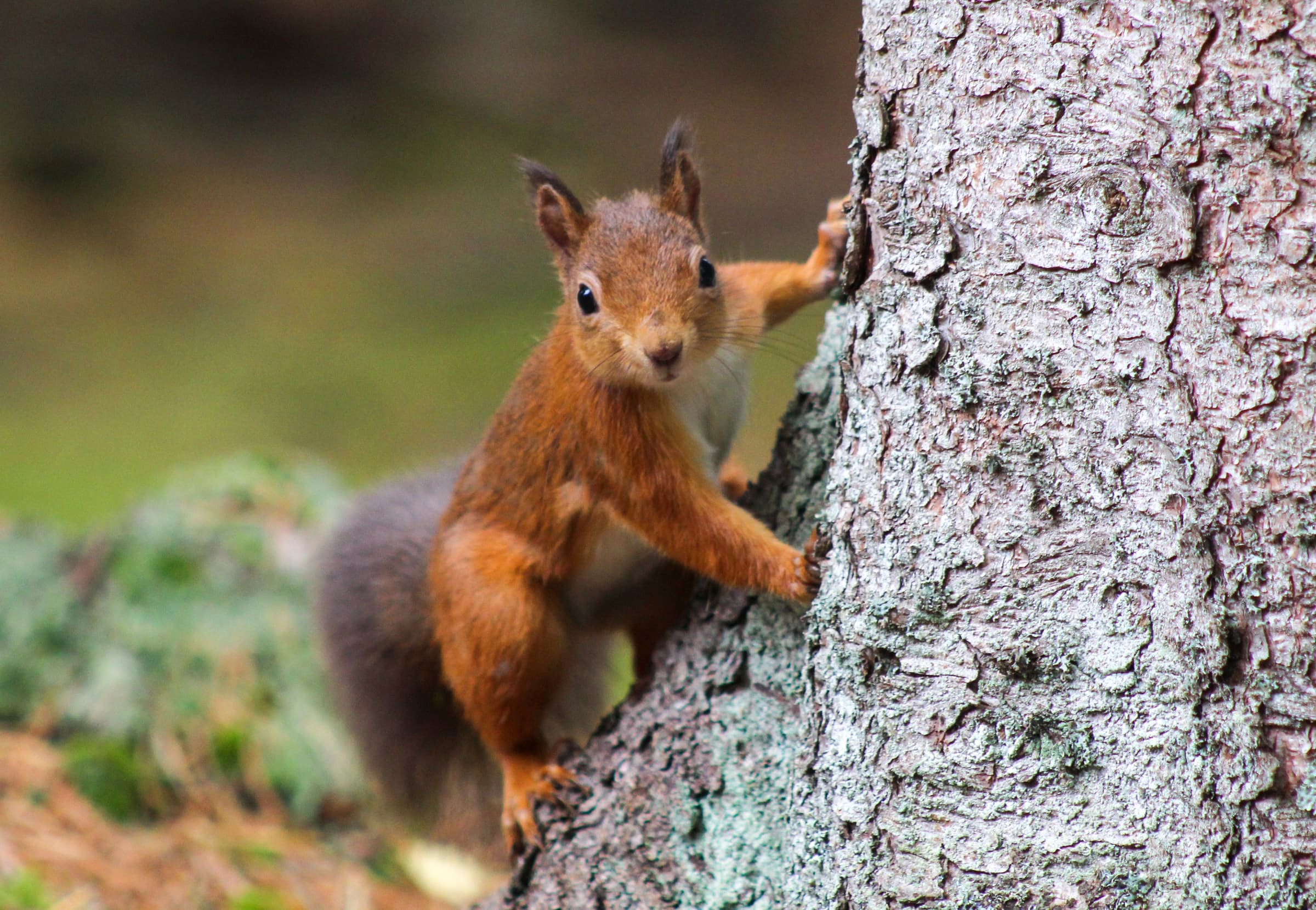
The species you’ll most often see in Ontario homes are the eastern grey squirrel (Sciurus carolinensis — including the common black colour morph) and the American red squirrel (Tamiasciurus hudsonicus). Both are diurnal — active during the day — so the scratching you hear from the attic at dawn and dusk is exactly when they’re moving in and out.
Squirrels are agile climbers and excellent jumpers. They can jump several feet horizontally from a tree to a roof, and they squeeze through surprisingly small gaps in soffit, fascia, and vent corners.
The squirrel breeding cycle in Ontario:
- Grey squirrels have two litter windows per year: December–February (kits born February–March) and May–June (kits born July–August).
- A typical litter is 2–4 kits.
- Kits stay in the nest for about 8–10 weeks before they’re independent.
This is why timing matters: if you do exclusion in February or July with kits in the nest, you risk sealing a mother out and leaving kits to starve.
Squirrel health concerns
- Ticks, fleas, and lice: common parasites on wild squirrels.
- Structural fire risk from chewing: squirrels chew constantly to manage their teeth, and they regularly chew through electrical wiring in attics. This is one of the more underrated hazards of having squirrels in the attic.
- Salmonella and leptospirosis: can be present in squirrel droppings; basic gloves-and-mask protocol when cleaning is sensible.
Note: contrary to a lot of older internet content, squirrels are not a meaningful rabies vector in Ontario. Public Health Ontario doesn’t recommend rabies post-exposure prophylaxis after most squirrel bites for that reason. Squirrels are also not associated with a “squirrel roundworm” disease in humans — the relevant zoonotic roundworm in Ontario wildlife is Baylisascaris procyonis (raccoon roundworm).
How to prevent squirrels from getting into your home
Squirrels enter through the roofline, not the foundation. Prevention is roofline prevention:
- Confirm the attic is empty before sealing. Especially during February–March and July–August (kit seasons). Sealing while kits are inside causes more damage as the mother tries to chew her way back in.
- Cap chimneys with a commercial stainless-steel chimney cap. Cheap clip-on caps don’t last.
- Inspect soffits, fascia, ridge vents, and gable vents — every year if possible. Squirrels exploit weather-damaged corners and gaps.
- Trim tree branches so they’re at least 6–8 feet away from the roof edge. Squirrels can jump that gap, but it’s enough to push them toward a different route.
- Cover all ventilation openings with heavy-gauge, rust-proof mesh. Squirrels chew through plastic and lightweight aluminum screens.
Squirrels in the attic?
The attic is the most common squirrel job we run. Squirrels nest in insulation, often in the gable corners or near the eaves where warm air collects. You’ll hear them at dawn and dusk — they’re diurnal, not nocturnal. Once a nest is established, expect:
- Insulation tunnels and shredded paper or cloth used as nesting material
- Chewed wiring (a real fire risk)
- Droppings clustered around nest sites
- Stains on ceiling drywall where urine has soaked through
Trapping and one-way exclusion are the only reliable ways to get an established colony out.
Squirrels in the chimney?
Squirrels sometimes fall into chimneys and can’t climb back out, especially in smooth metal flues. If you hear scratching in the chimney, do not light a fire. Call us — most cases involve dropping a rope or letting the animal escape via the damper, then capping the chimney.
Squirrels in the soffit or wall?
Small gaps in the soffit corner or under the ridge cap can lead squirrels into wall cavities. Once they’re inside the wall, you’ll hear scratching at dawn and dusk, sometimes accompanied by chewing sounds. Soffit and wall jobs usually involve cutting a small access panel from below, removing the nest, then sealing both the cavity and the exterior entry with chew-resistant materials.
How we remove your squirrel problem
1. Inspect the roofline for entry points
The first job is finding every place the squirrels are getting in. We walk the full perimeter, look at the soffit corners, gable vents, ridge cap, fascia, chimney flashing, and any place where tree branches are close to the roof. Telltale signs: chewed wood at vent corners, paw-print smudges on siding, droppings on the deck or AC unit below an entry point, and visible “trails” in the attic insulation.
2. Check for kits
Squirrel kits are typically in the nest February–April and again July–September. If we find kits, the exclusion plan changes: we wait until they can travel with the mother, or we do a hands-on removal so the family stays together.
3. Humane removal — one-way exclusion or hand removal
Most jobs use a one-way exclusion door installed over the active entry point. Squirrels leave to forage, can’t get back in, and find a new den within a few days. For nests with kits, or for an isolated squirrel inside the living space, we’ll do hands-on removal.
We use size-appropriate traps when trapping is needed, and we never use bait that would attract non-target animals.
4. Clean up and seal with chew-resistant materials
Squirrels chew. Cheap sealing fails within a season. Once the colony has left, we seal the primary and secondary entry points using heavy-gauge wire mesh combined with metal flashing and a chew-resistant sealant. Damaged insulation, nest material, and droppings are removed and replaced as needed.
Signs you have squirrels
- Daytime scratching, scurrying, or chewing in the attic, soffit, or walls (loudest at dawn and dusk)
- Pellet-shaped droppings in the attic
- Chewed wood at soffit corners, gable vents, or fascia ends
- Bits of insulation, paper, or cloth being pulled into roof gaps
- Sightings of squirrels going in and out of the same spot on the roof
Ontario squirrel removal — service area
London · Bayfield · Kitchener · Goderich · Kincardine · Grand Bend · Listowel · Sauble Beach · Wasaga Beach · Owen Sound · Collingwood · Walkerton · Wiarton · Meaford · Southampton · Port Elgin · Markdale · Hanover · Barrie
Ready for an inspection?
Request a squirrel quote or call 519-783-1575. Family-owned, with workmanship we stand behind.
Kind words from squirrel-removal customers
“Very knowledgeable. I asked 100 questions about wildlife control and was pleasantly surprised at how much he knew. No complaints. Great animal proofing, and removed some dead animals.” — Joshua Clark